
"coffee tariff"
900 article(s) found

Korea-Peru Free Trade Coffee will be Zero tariff
The South Korean National Assembly on the 29th passed a motion to approve the Korea-Peru Free Trade Agreement, in which Korean-made color televisions and Peruvian coffee will be subject to zero tariffs immediately after the agreement comes into force. Xinhua Seoul, June 29 (Reporter Ban Wei) the South Korean National Assembly passed the motion to approve the Korea-Peru Free Trade Agreement on the 29th. The agreement is scheduled to enter into force on August 1. Outside Korea
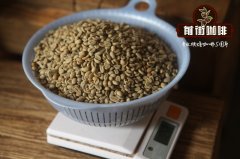
Air coffee bean import customs declaration process _ recommended by imported coffee bean suppliers _ imported coffee beans are so expensive
Professional coffee knowledge exchange more coffee bean information Please pay attention to the coffee workshop (Wechat official account cafe_style) Air import of coffee beans customs declaration and declaration elements: ★ on the import duties of coffee beans, we must first determine the customs code, because the tariffs on coffee beans produced by different processes and ingredients are different. 1. If it is pure coffee beans as raw material without adding any other ingredients

The import tariff of coffee in the Chinese market is 15% and the VAT on the import link is 17%.
Customs value is: (factory ex-factory freight) x1.15 x 1.17 delivery price is: customs value x1.03, but the above price does not include the following fees. 1) Application fee for Chinese label. (dealers can apply for Chinese labels from the Commodity Inspection Bureau or entrust this website to apply) 2) Shanghai Port extra fees and customs, three inspection fees, inspection fees: refers to shipping: dredging fee,
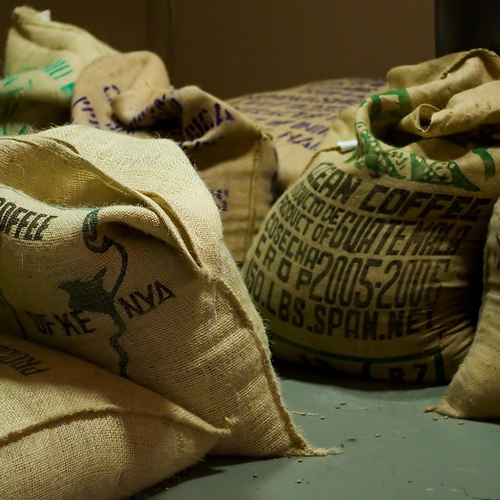
Honduran raw coffee-preferential policy of import tariff on Honduran raw coffee Honduran coffee
Honduras: selected Highland Coffee South America: Colombia, Venezuela, Peru, Brazil. Latin America, Central America and the Caribbean: Jamaica, Dominican Republic, Puerto Rico. Arab East Africa: Yemen, Ethiopia, Kenya, Tanzania, Maganda, Zimbabwe. Southern Asia Oceania: India, Indonesia, Sulawesi, Guagua, New Guinea, Hawaii, Taiwan
Tax and customs declaration procedures for imported coffee what information is needed for the import of Chinese coffee beans?
Professional coffee knowledge exchange more coffee bean information please follow coffee workshop (Wechat official account cafe_style) transfer back from Hong Kong customs clearance does not need to provide formalities, can do package tax clearance of imported unroasted coffee beans tariff 8% value added tax 17% roasted coffee beans tariff 15% value added tax 17% first of all coffee bean imports need specific qualifications: 1. Import and export rights

Coffee consumption in China is growing by more than 40% a year.
It is reported that in recent years, China's coffee consumption has risen sharply, with an annual growth rate of more than 40%. It has become an important engine of global coffee consumption and attracted the attention of the world. In 2003, China's total coffee consumption was 19080 tons, double that of 1995, with an annual growth rate of 14.9%. The annual per capita consumption was 14.7g, 0.18% of that of Europe, 0.35% of that of the United States and 0.4% of Japan.

Introduction to El Salvador Mercedes Coffee Bean Flavor description Manor by Grinding scale treatment
El Salvador Mercedes coffee bean grinding scale method Flavor description Manor said the government imposed an additional 15% tariff on exported coffee in 1986, that is, an additional 15% in addition to the existing 30% tax. Taxes, together with unfavorable exchange rates, have greatly reduced the export of coffee and the quality of coffee. The government finally realized the great role of coffee in the national economy, such as solving

The sales of coffee and beef from Taiwan and Pakistan have not had a big impact.
Exchange of professional baristas please follow the coffee workshop (Wechat official account cafe_style) ▲ Taiba severed diplomatic relations, as I imported raw coffee beans have completely zero tariff, will not affect the price of Panamanian coffee beans. (photo / taken from CC0 Gallery) diplomatic relations between Taiwan and Panama have changed. Among the major imports from Pakistan, coffee is the most familiar to our countrymen. According to industry analysis, Panama exports to Taiwan

Starbucks responds to China's profiteering: the price is 10 times the cost of materials
The price is nearly 10 times the cost of materials. Even the price of a mug made in China is nearly half more expensive than that in the United States. It is not just coffee that Starbucks sells MadeinChina mugs. After adding tariffs and transportation costs, the price in the United States is even cheaper than that in China. Miss Zhu, who traveled to the United States during National Day holiday.

Starbucks responded to China's profiteering and self-rounding selling price is 10 times the cost of materials.
The price is nearly 10 times the cost of materials. Even the price of a mug made in China is nearly half more expensive than that in the United States. He Tianjiao, the price of a mug made in China is more expensive than that in the United States and other places. It is not only coffee that Starbucks sells Made in China mugs. After adding tariffs and transportation costs, the price in the United States is even cheaper than that in China. Travel to the United States during National Day holiday
The largest exporter of coffee in Yunnan
According to the Yunnan Coffee Association, South Korea imports an average of 2000 tons of coffee from Yunnan every year, making it the largest exporter of coffee from Yunnan. Yunnan Province has an area of more than 800,000 mu of coffee, with an annual output of more than 60,000 tons, accounting for 98 percent of the country's total. The products are sold in 31 countries and regions, including the United States, South Korea, Southeast Asia, and so on. South Korea has become the largest exporter of Yunnan coffee because of its market and tariff advantages.

South Korea is the largest exporter of Yunnan coffee
According to the Yunnan Coffee Association, South Korea imports an average of 2000 tons of coffee from Yunnan every year, making it the largest exporter of coffee from Yunnan. Yunnan Province has a coffee planting area of more than 800,000 mu, with an annual output of more than 60,000 tons, accounting for 98% of the country's total. The products are sold in 31 countries and regions, including the United States, South Korea and Southeast Asia, among which South Korea has become the largest exporter of Yunnan coffee because of its market and tariff advantages.

Exemption of import duty on coffee and coffee machines in Brazil to create a market to attract investment
Chinanews.com, April 3-according to Brazilian media reports, the Brazilian government announced on its official website on Wednesday that since April 1, all imported coffee and coffee machines in Brazil can be exempted from customs duties. The previous import tax rates on coffee and coffee machines were announced in the official Gazette, including 10% import duty on coffee and 20% import duty on coffee machines. In addition, Brazil

The origin of Salvadoran coffee culture what are the characteristics of Salvadoran coffee
In 1986, the government imposed an additional 15% tariff on exported coffee, that is, an additional 15% in addition to the existing 30% tax. Taxes, together with unfavorable exchange rates, have greatly reduced the export of coffee and the quality of coffee. The government finally realized the great role of coffee in the national economy, such as solving employment, earning foreign exchange and developing agriculture, so it exported some coffee in 1990.
South Korea becomes the largest exporter of Yunnan coffee
According to the Yunnan Coffee Association, South Korea imports an average of 2000 tons of coffee from Yunnan every year, making it the largest exporter of coffee from Yunnan. Yunnan Province has a coffee planting area of more than 800,000 mu, with an annual output of more than 60,000 tons, accounting for 98% of the country's total. The products are sold in 31 countries and regions, including the United States, South Korea and Southeast Asia, among which South Korea has become the largest exporter of Yunnan coffee because of its market and tariff advantages.

Puerto Rico Yaoke SELECTO AA Fine Coffee single Coffee
Puerto Rico has a very long history of coffee cultivation. As a Caribbean island country, coffee planting as a commodity began to rise here as early as the 1860s. What is interesting is that in recent years, with the increase of import tariffs on Puerto Rico coffee in the United States and other countries, although the coffee planting industry here has shrunk to a great extent, a new round of industrial reshuffle and integration

Puerto Rico has a very long history of coffee cultivation.
Puerto Rico has a very long history of coffee cultivation. As a Caribbean island country, coffee planting as a commodity began to rise here as early as the 1860s. What is interesting is that in recent years, with the increase of import tariffs on Puerto Rico coffee in the United States and other countries, although the coffee planting industry here has shrunk to a great extent, a new round of industrial reshuffle and integration

The Origin and History of Coffee beans
By the 16th century, early merchants had sold coffee in Europe, thus introducing coffee as a new drink into Western customs and life. Most of the coffee exported to the European market comes from Alexandria and Smyrna, but with the growing market demand, high tariffs imposed by import and export ports and people on coffee trees

A brief introduction to the market price of pure slightly sour Salvadoran boutique coffee beans
The eastern part of the country was most affected by guerrilla warfare, and many farmers and workers were forced to leave the manor. The shortage of funds has led to a sharp drop in coffee production, from 1200 kg per hectare in the past to less than 900kg per hectare today. In addition, the government imposed an additional 15% tariff on exported coffee in 1986, that is, an additional 15% in addition to the existing 30% tax. Taxes, together with unfavorable

The Free Trade Agreement between China and Costa Rica will enter into force on August 1
After friendly consultation and written confirmation, the China-Costa Rica Free Trade Agreement entered into force on the same day. In the field of trade in goods, China and Colombia will implement zero tariff on more than 90% of their products in stages. According to the agreement, China's textile raw materials and products, light industry, machinery, electrical equipment, vegetables, fruits, automobiles, chemicals, raw fur and leather and other products and Costa Rica